Research Area Section

Our Research Framework

Human, system, molecular, and nutritional/metabolic approaches to brain function and health.

The Translational Neurophysiology Lab integrates non-invasive human neurophysiology, systems neuroscience, molecular investigation, and metabolic research to understand nervous system function from biological mechanisms to human cognition and behavior.

Human Neurophysiology Lab

Human Neurophysiology Lab

Principal Investigator: Professor Giuseppe Giglia

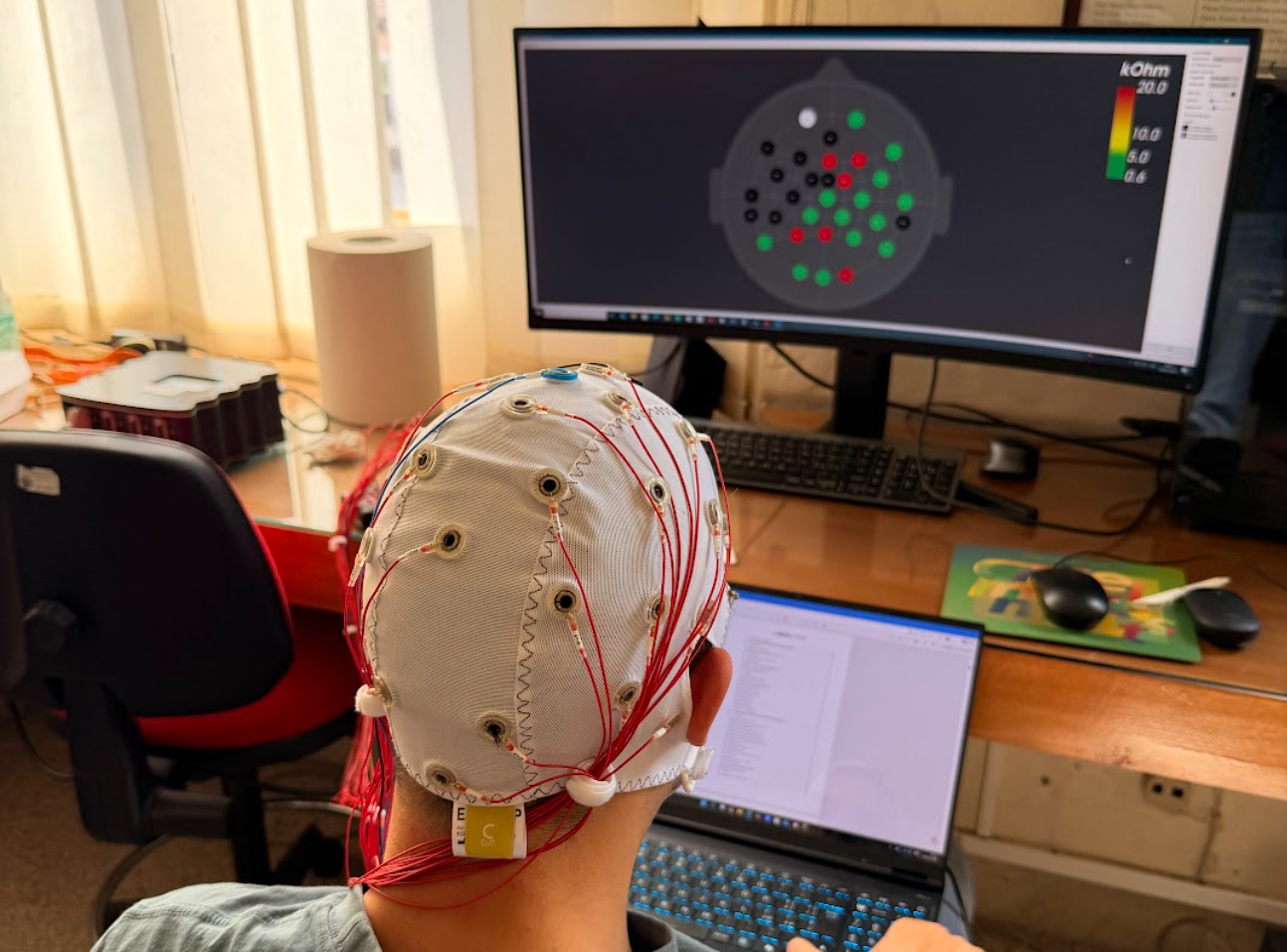
In the Human Neurophysiology Lab we explore a wide range of topics in cognitive neuroscience through the lens of neurophysiology. We investigate the brain activity underlying perception, cognition, and behavior using non-invasive brain stimulation techniques and electrophysiological methods.

Research Areas

  • Visuospatial perception
  • Neurolinguistics
  • Neuroaesthetics
  • Social Cognition
  • Bayesian Brain Theory
  • Premembering
  • Nutraceuticals

Techniques & Methods

  • Transcranial Magnetic Stimulation
  • Transcranial Direct-Current Stimulation
  • TMS-EEG
  • Electromyography
  • Electroencephalography
  • Virtual Reality
  • Augmented Reality

Active Research Lines

  • Embodied Musical Mind: how music perception shapes the human brain, from cortical excitability to pain perception.
  • Embodied Language: is spatial semantics grounded in visuospatial perception?
  • Social cognition and biological motion processing: how the mirror neuron systems process biological movements.
  • Contextual control of mnemonic schemas in the prefrontal cortex: a TMS–EEG investigation inspired by the Bayesian Brain.
  • Modulation of executive functions in healthy humans through Opuntia ficus-indica fruit consumption and non-invasive brain stimulation.
System Neurophysiology Lab

System Neurophysiology Lab

Principal Investigator: Professor Giuditta Gambino

Our laboratory investigates the nervous system through a translational approach, bridging cellular mechanisms and system-level function. We study how neurons communicate, how synaptic transmission shapes neural activity, and how these processes can be modulated in physiological and pathological conditions. In parallel, we explore how systemic and environmental factors influence the structure and function of the central nervous system, aiming to identify early biomarkers of disease and uncover potential therapeutic strategies for neurological disorders.

Research Areas

  • Cognitive impairments
  • Neuronal network
  • Neuronal transmission
  • Redox homeostasis
  • Metabolic alterations
  • Phytonutrients properties
  • Freely-moving neuronal activity
  • Hyperexcitability

Techniques & Methods

  • In vivo behavioral assessment: cognitive, executive and affective domains.
  • In vitro electrophysiology (patch-clamp recordings, LFP recordings).
  • In vivo electrophysiology (EEG, LFP recordings).
  • Stereotaxic surgery and chronic electrode implantation.

Active Research Lines

  • Electrophysiological and behavioral correlates in experimental models of temporal lobe epilepsy.
  • Neurobehavioral correlates of cognitive dysfunction in high-fat diet-induced metabolic syndrome.
  • Neuroprotective effects of natural bioactive compounds and plant-derived nanovesicles on metabolic, cognitive, and oxidative stress alterations in rodent models of metabolic syndrome.
  • Alterations of synaptic transmission, neuronal excitability, and brain network function in metabolic and neurological disorders.
Molecular Neurophysiology Lab

Molecular Neurophysiology Lab

Principal Investigator: Professor Valentina Di Liberto

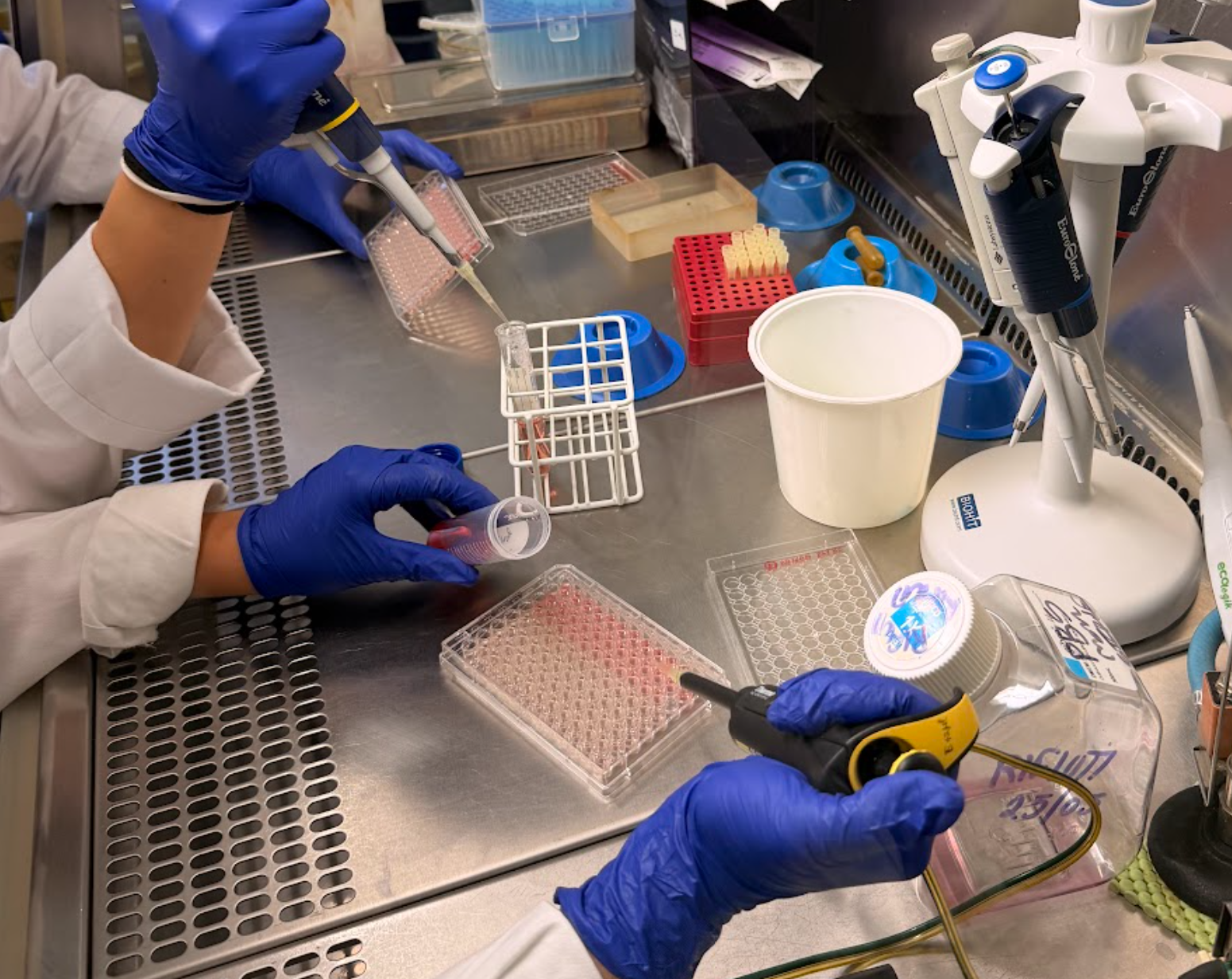
Our laboratory combines cellular and animal models to investigate the molecular mechanisms underlying physiological brain functions, with particular emphasis on synaptic plasticity, neuronal survival, and neurogenesis, as well as the alterations associated with neurological and neurodegenerative disorders. In parallel, our research aims to identify and characterize novel multitarget neuroprotective compounds and to elucidate the molecular pathways responsible for their effects, with the ultimate goal of developing potential innovative therapeutic strategies for neurodegenerative diseases.

Research Areas

  • Parkinson disease
  • Alzheimer disease
  • Epilepsy
  • Oxidative stress
  • Neuroinflammation
  • Metabotropic glutamate receptors
  • Antioxidant compounds
  • Nutraceuticals

Techniques & Methods

  • Cell culture
  • Cell-based assays
  • Western blotting
  • ELISA
  • Quantitative real-time PCR
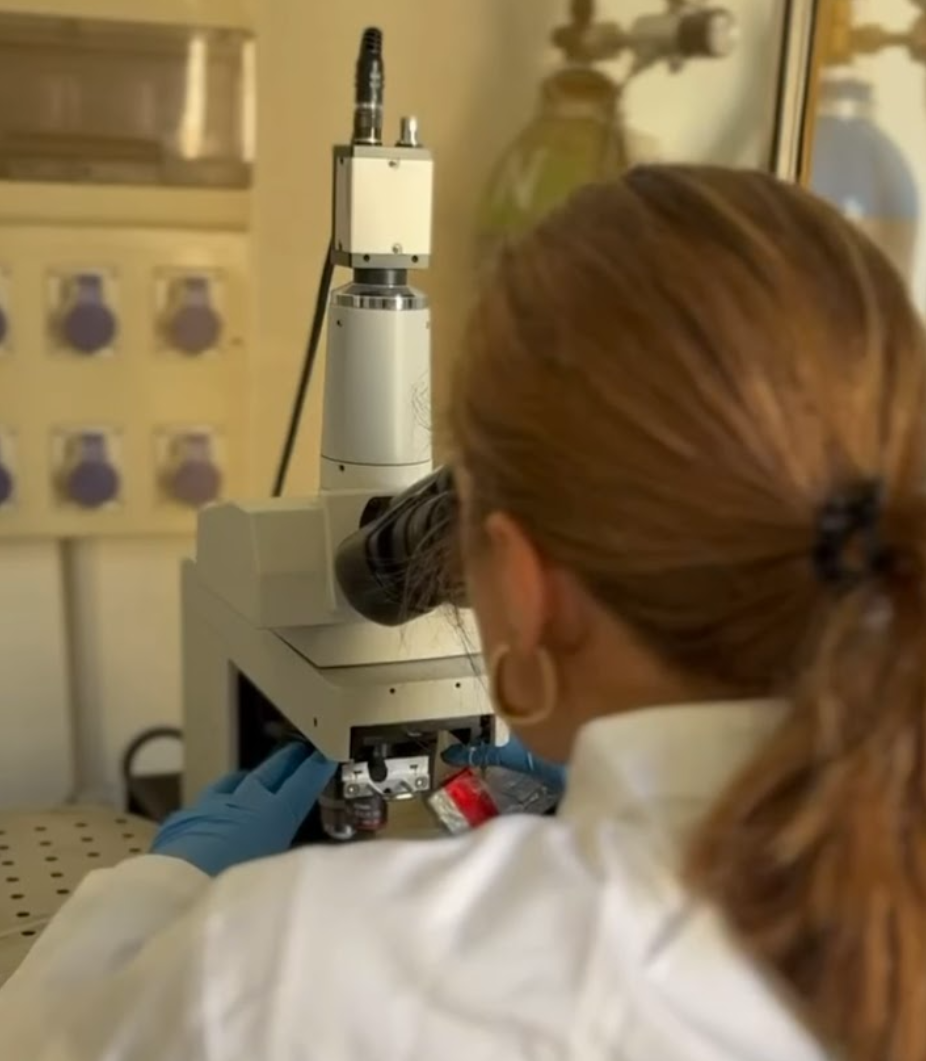
  • Light and fluorescence microscopy
  • In vivo models
  • Stereotaxic surgery
  • Behavioral analysis

Active Research Lines

  • Evaluation of the neuroprotective activity of novel ligands for the metabotropic glutamate receptor type 3 and 4 in cellular and animal models of Parkinson’s disease.
  • Assessment of the neuroprotective role of muscarinic acetylcholine receptor agonists in cellular and animal models of Alzheimer disease.
  • Evaluation of a predictive model of “omics” biomarkers in the progression of temporal lobe epilepsy.
  • Characterization of the beneficial effects of natural biomolecules in cellular models of oxidative stress and in animal models of metabolic syndrome–induced neurodegeneration.